New here? Check out the background to this series before you dive in.
Summary
Once again we’ll get things rolling with some MATHCOUNTS problem solving and Estimation 180… er, well… estimation.
For at least one more week the primary focus will be on the following two course themes:
#2: Ratios and Proportional Relationships
#5: Four Representations: Numerical, Graphical, Algebraic, Verbal
We’ll also continue the “Four Big Ideas in Algebra” conversation.
Resources
Slides
Two flavors: PDF, Keynote
MATHCOUNTS
After two weeks of Warm-Ups we’re ready for our first Workout. Still need a copy of the handbook? It’s right here, it’s awesome, and it’s free.
Estimation 180
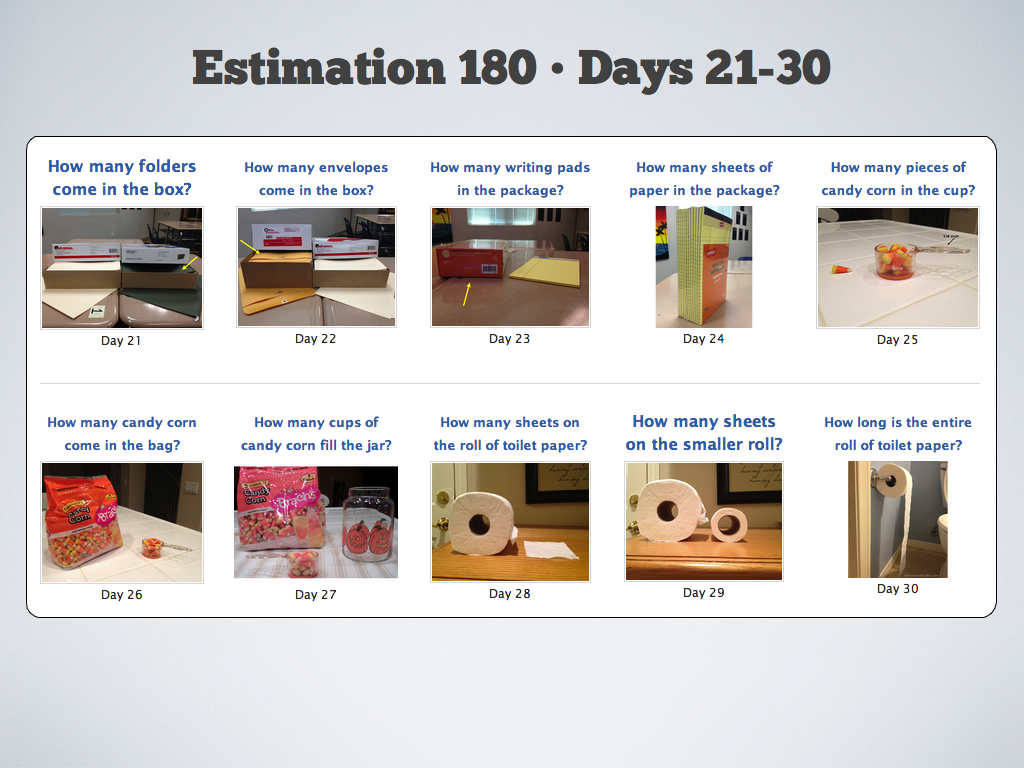
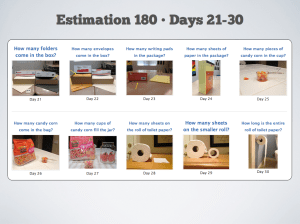
Nothing says mathematical reasoning like a couple rolls of toilet paper. In Session 3 we’ll work on Day 28 and Day 29 on the site. Here’s a look at the rest of what Days 21-30 have to offer:
Four Big Ideas in Algebra
We’ll spend a few minutes discussing our reactions to the Session 2 reading assignment (a Grant Wiggins blog post), including any affirmation, surprises, disagreement, new insights, or new questions that came up in the course of reading the post and its comments, and writing a comment of our own.
For now, we’ll leave the larger “Four Big Ideas” conversation alone until a later session.
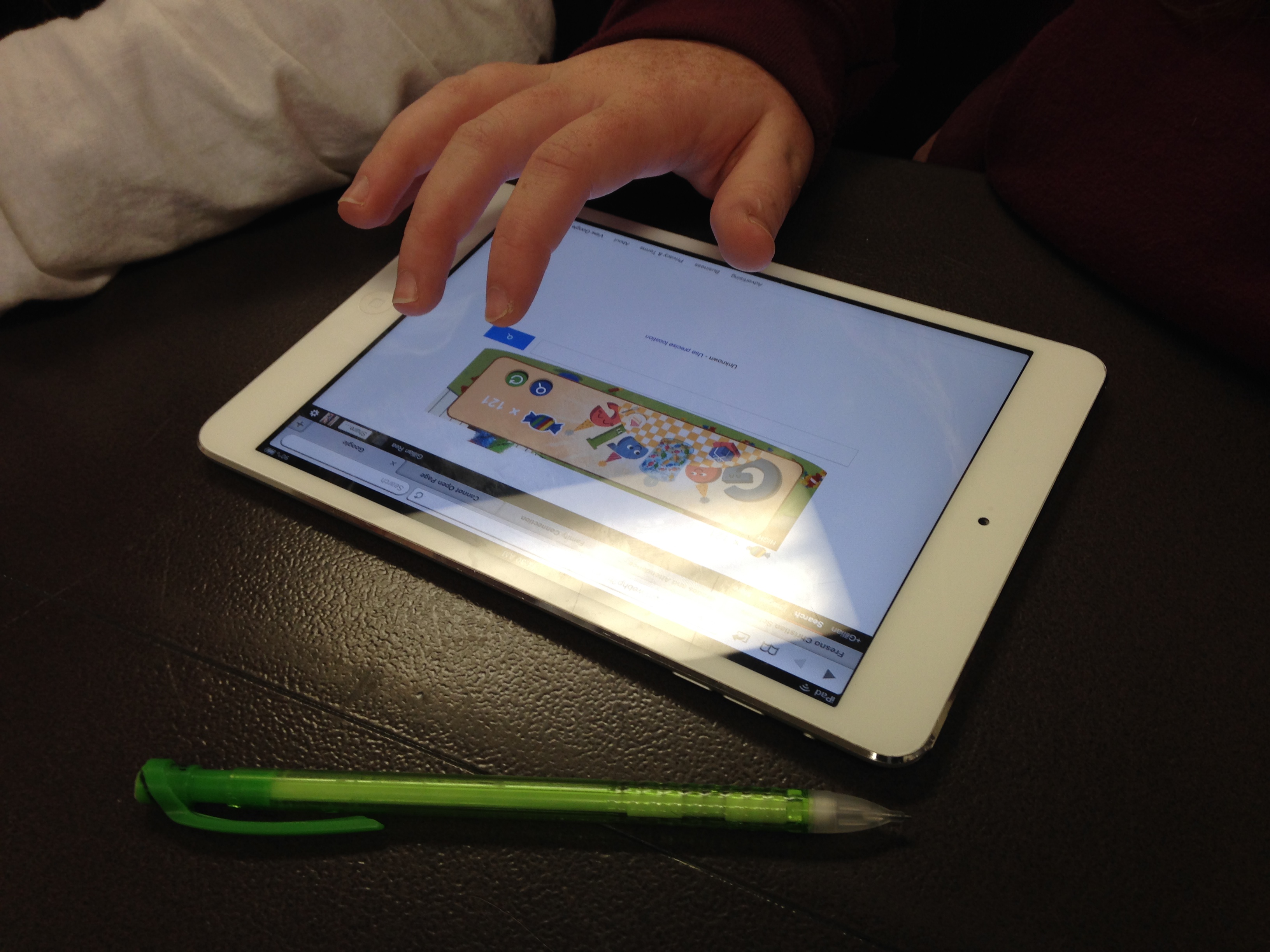
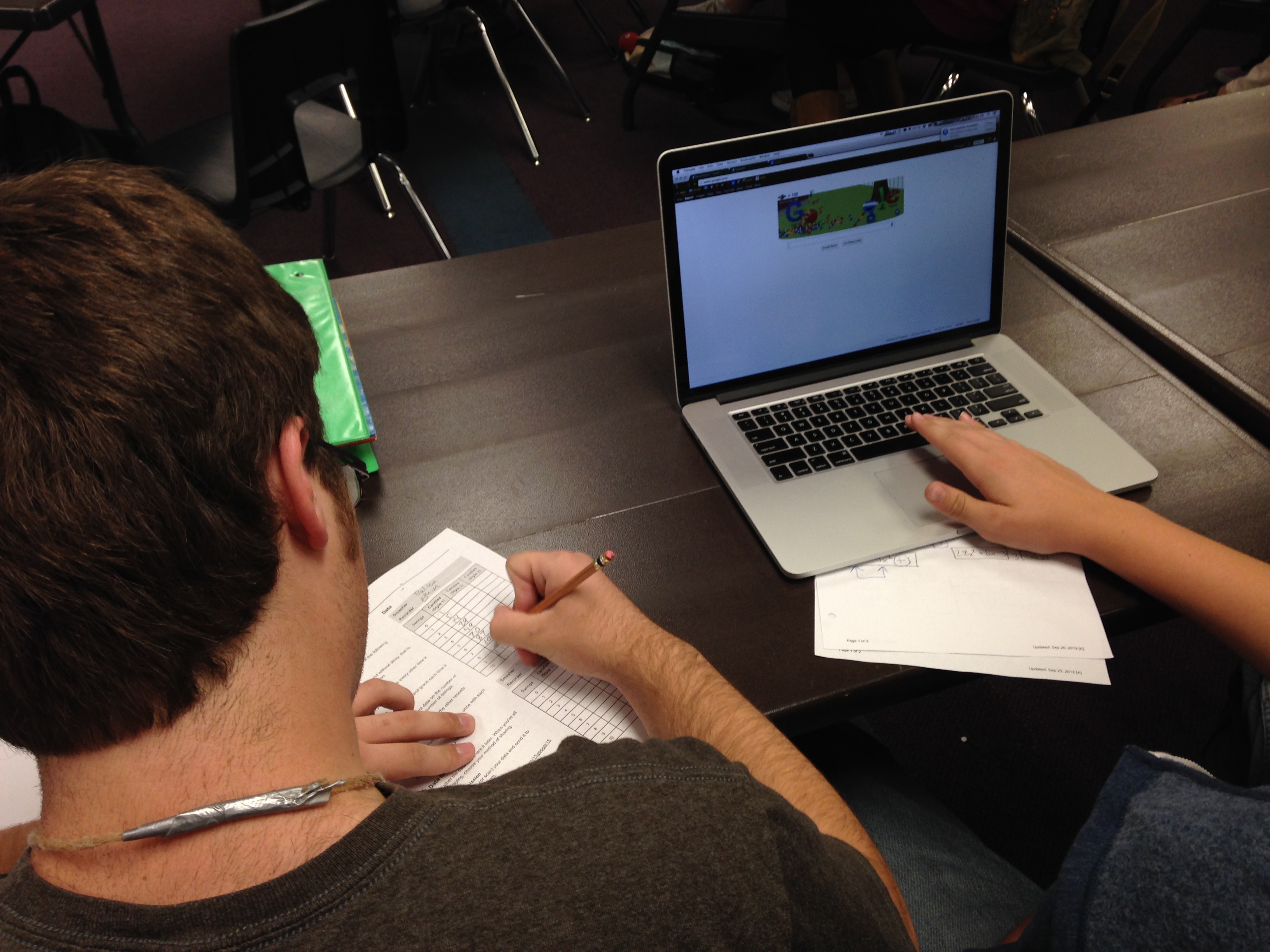
The Running Game
I’ve tweaked the new handout a bit based on a comment from the class in the Session 2 Feedback Form. Here’s the latest and greatest version.
Our scheduled challenges: Day 5 and Day 6
Visual Patterns
No time for a new style of visual patterns (we’ll continue pressing forward in a week or two). For now I want to camp on linear growth a bit longer. Instead of giving a few new challenges from the website (or of my own invention), I have a “create your own” assignment for each member of the class. Details below.
Automatic Change Dispenser
On my way through the checkout at a local supermarket, I saw this:
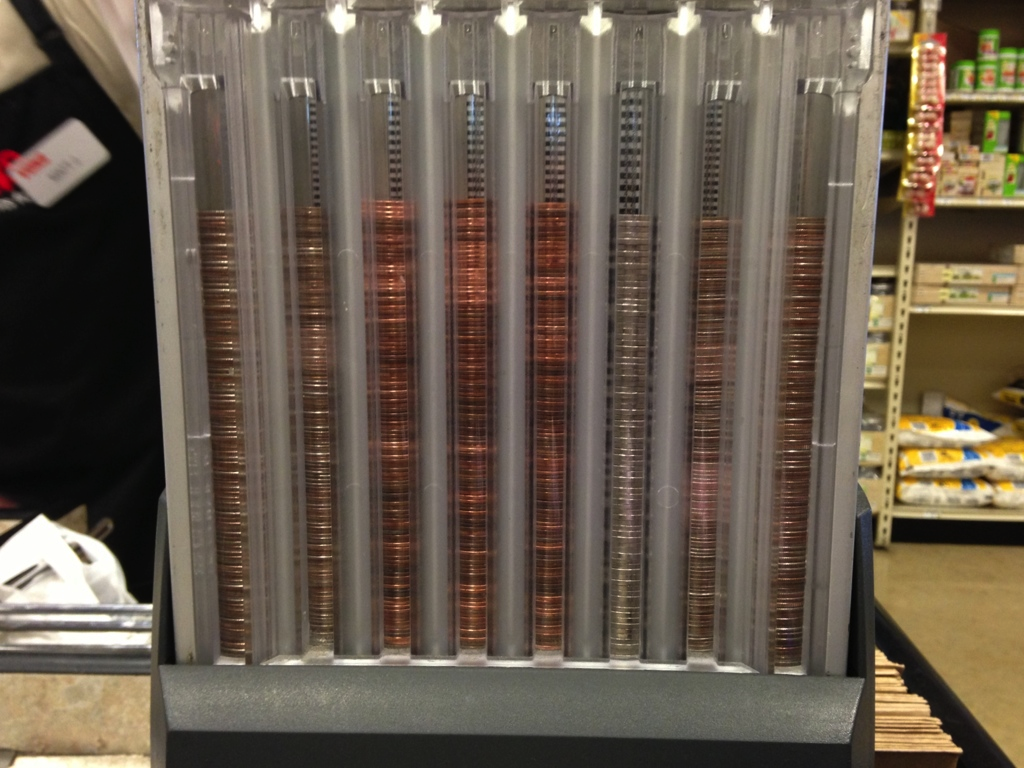
I think the MTBoS is sharpening (or further twisting?) my brain, because I instantly wondered…
What’s the total value of those coins?
So I asked this on Twitter:
I’ll add a full length blog post about how my thoughts grew from “Hey, this is a cool estimation task” to “Whoa, this could be a pretty sweet three act task if I don’t blow the presentation (like I usually do).” For now, check out the resources I’ve posted for this task over at 101qs.
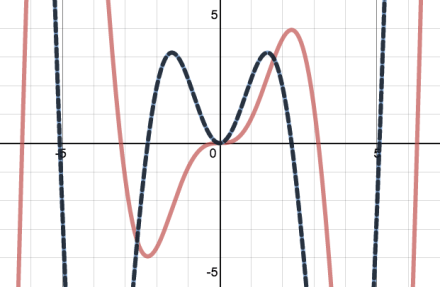
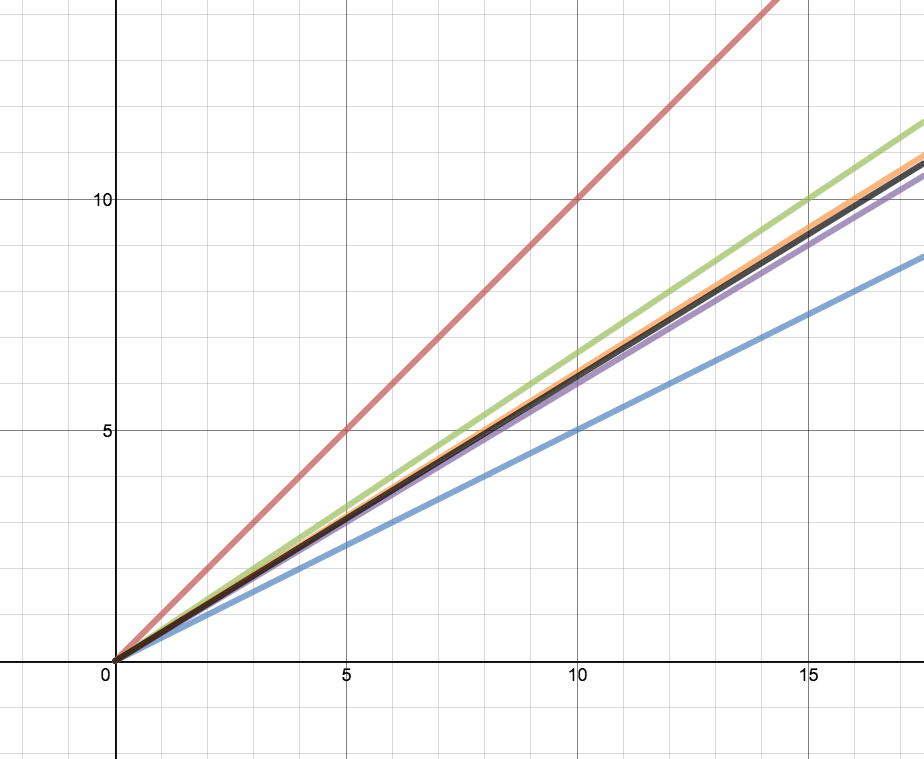
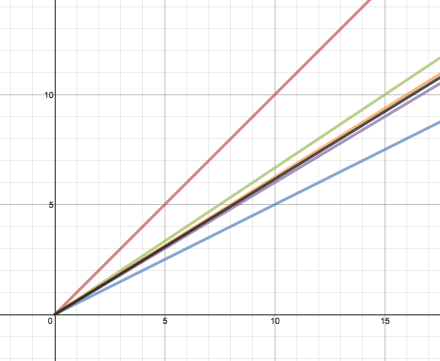
Desmos Proportion Graphing Challenges
Earlier this year Dan Anderson, Justin Lanier, and I launched a website called Daily Desmos. Each day we (or someone else from our awesome and growing authoring team) creates one basic (er, well, not so basic) and one advanced graphing challenge. They’re fun to make and fun to solve.
(For more background, go here. For details about what’s next for Daily Desmos, go here and here.)
We recently had several discussions about how to make Desmos more useful to classroom teachers. One idea: Create a series of related challenges, intentional in sequence, progressing from simple to more challenging, and in doing so provide students with a sandbox for developing their graphing skills in an enjoyable, dynamic, exploratory (yet still somewhat structured) environment. (Sorry about that last sentence; it got a bit out of control.)
At any rate, because one of the major themes in Math 753 is proportional reasoning, and because we’ve been discussing creating a sequence of linear graphing challenges, I created a sequence of proportional graphing challenges (some might use the term direct variation). I’m waiting for feedback on the quality (or lackthereof) of this sequence. Once we’re happy with the quality and format, we’ll turn our attention to a linear sequence, then (probably) quadratic, and so on.
Graphing Stories
Since we ran short on time in the first two sessions, I want to revisit the first four stories in Session 3. Soon we’ll continue moving forward, and soon after that we’ll have an assignment where each of us (myself included) has to create our own 15 second graphing story (or two).
Reading Assignment
We’ll continue with our “Big Ideas in Algebra” discussion by reading a few responses to Grant Wiggins’ original post. Read the following (including all comments):
Your task (if you’re in Math 753, or following along at home):
- Read the four posts above, including all of the comments.
- Spend at least 24 hours with the ideas bouncing around your brain.
- Add your own voice to the conversation by posting a thoughtful comment, either on one of the blogs above, or on this post.
- Things to discuss might include (a) your latest list of four big ideas in algebra, (b) ways in which your list is being reshaped as a result of reading several more perspectives, (c) new questions or confusion you have about the big ideas in algebra, (d) new clarity you have about anything related to this discussion, and (e) anything else that comes to mind as a result of the reading assignment.
Visual Patterns Assignment #1
Create one or two of your own visual patterns. They may be inspired by what we’ve done in class, or what you see over at Visual Patterns, but they must be your own invention. A few more details:
- Create a visual for Step 1, Step 2, and Step 3. (you may include Step 4 if you find it helpful or necessary.)
- Create each step by carefully drawing, using a computer, or taking photographs of patterns you see or build in the physical world. (I would love to see the latter.)
- Put Steps 1-3 (or 1-4) on a single sheet of paper (physical, digital, or both). Bring at least four physical copies of your visual pattern to class next week.
- Ideally, your pattern will fit the linear growth theme we’ve explored in the first few sessions.